
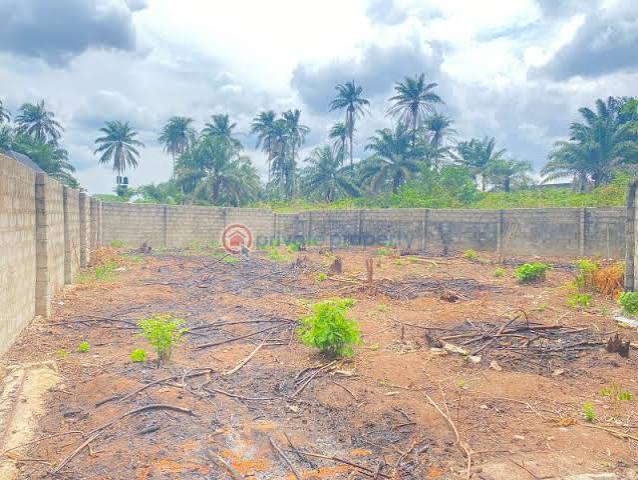
How to evaluate land on Owerri’s growth edges: access in all seasons, infrastructure reality versus promises, boundaries, demand signals, and marketing hype filters.
Introduction: Developing Areas Offer Opportunity — and Extra Homework
Land on the edges of a growing city often attracts buyers with lower entry prices, larger plot sizes, and the appeal of getting in "early." Around Owerri, corridors such as Orji, parts of the Okigwe Road axis, Egbu fringe areas, and similar growth edges see steady interest from people building homes, small estates, and rental projects.
That interest is not proof that every plot in these corridors is a sound purchase. Developing areas combine genuine opportunity with higher uncertainty: access may be seasonal, infrastructure may lag marketing, title histories may be complicated, and sales language may run ahead of reality.
This guide helps you evaluate land in developing and peri-urban areas near Owerri. It focuses on field checks — access, drainage, boundaries, demand signals, and hype filtering. It does not replace full title verification; for that process, use our national verification guide and Imo and Owerri safe-buy guide. For investment framing, see how to decide if a property investment makes sense.
What Counts as a "Developing Area" Near Owerri?
In this context, a developing area is not necessarily empty countryside. It is typically:
- On the city fringe or along a corridor where residential and commercial activity is spreading outward
- A mix of open land, new builds, incomplete infrastructure, and older village settlements
- Marketed with language about future roads, estates, schools, or "rapid development"
Examples around Owerri include growth edges along routes toward Orji, Egbu, Nekede, and other corridors where new housing and small commercial activity are visible — but services and access may still be uneven from one plot to the next.
The same corridor can contain both sensible purchases and problematic ones. Your task is to evaluate the specific plot, not the brochure narrative about the whole zone.
Pin Down the Exact Location First
Generic descriptions like "Owerri land," "five minutes from town," or "close to the express" are not enough for due diligence.
Before anything else:
- Get the exact location — layout name, community, landmark references, and survey coordinates where available
- Visit the plot yourself, not only the sales office
- Compare what you see on the ground with the map, survey, and seller's description
If the seller cannot clearly identify where the land sits, treat that as a major red flag.
Road Access: The Make-or-Break Field Check
In developing corridors, access quality varies sharply from one plot to the next. A parcel on a graded road ten minutes away may face a very different reality from one reachable only through a narrow track that softens in rain.
Inspect access carefully:
- Drive or walk the route you would use every day — not only the main road nearby
- Visit during or shortly after rainfall if possible
- Note whether motorbikes, sedans, or only SUVs can pass reliably
- Check whether access depends on crossing someone else's land
- Ask whether road maintenance is community-led, estate-managed, or unresolved
Access that works in dry season but fails in rainy season is a common developing-area problem. If you plan to build, tenant, or resell, seasonal isolation affects construction timing, living conditions, and buyer interest.
Infrastructure: What Exists vs What Is Promised
Separate today's reality from tomorrow's marketing.
Check what is already there
- Motorable road to or near the plot
- Electricity — connected, nearby poles, or no clear path
- Water — borehole area, piped supply nearby, or haulage dependence
- Drainage — open channels, culverts, natural flow paths, or ponding
- Mobile network strength
- Nearby shops, schools, or services within practical distance
Treat promises cautiously
Sellers may reference planned roads, estate layouts, commercial hubs, or government projects. Some plans are real. Others are speculation repeated until they sound factual.
Ask for evidence: visible works, official documentation where appropriate, or independently confirmable sources. If the investment case depends on a project that does not exist yet, label it honestly as speculation — not certainty.
For how infrastructure fits wider investment decisions, see our investment decision guide.
Title and Documentation: Pointer, Not Repeat
Developing-area land often involves allocation letters, estate layouts, family land, community arrangements, or newer subdivisions with uneven documentation standards. That makes title verification essential — and it makes shortcuts dangerous.
You should:
- Request the full document pack for the specific plot
- Trace a consistent ownership story
- Ensure documents describe this land — not a nearby or similarly named parcel
- Follow professional verification before major payment
Do not re-learn the entire verification process here. Use the complete buying guide for the national sequence and the Imo safe-buy guide for local context. Use the documents glossary to understand individual papers.
From a developing-area perspective, pay extra attention to:
- Whether the plot falls within a known estate or layout with defined boundaries
- Whether multiple sellers appear to offer overlapping parcels
- Whether "family land" or communal arrangements require broader consent
- Whether acquisition or restriction issues are more common in rapidly subdivided zones
Boundaries and Physical Identity
Boundary disputes are painful anywhere. They are especially common where farmland is being converted into residential plots quickly.
Confirm:
- The land shown to you matches the survey description
- Boundary markers, fences, or natural features align with stated dimensions
- Neighbours agree on where lines fall — or flag disagreements openly
- No overlapping occupation or competing claimants are present
Where necessary, engage a qualified surveyor before payment. Saving survey cost on an unclear boundary is a false economy.
Demand Signals: Is Development Actually Happening?
Development potential matters only if people eventually want to live, build, or operate businesses in the area. Look for observable signals rather than sales copy.
Useful signs include:
- New houses under construction or recently completed
- Occupied homes, not only empty plots
- Small shops, workshops, or services opening along the corridor
- Estate projects with visible activity — not only billboards
- People moving in, not only land being resold repeatedly
- Improved access or drainage in adjacent sections
Weak or absent signals do not automatically mean "avoid" — but they mean your case rests more on future change than present demand. Be honest about that.
If you are choosing between established neighbourhoods and growth edges, the Owerri neighbourhood guide helps match area type to your needs.
Filter the Hype
Developing-area marketing often uses bold future language. Filter claims before they become your decision basis.
Common hype patterns:
- "Prices will double soon"
- "This will become the new city centre"
- "A major road is definitely coming"
- "Everyone is buying here"
- "Last chance before boom"
Some corridors do grow. Growth is still not guaranteed for every plot, and timing is unpredictable. Replace hype with questions:
- What is happening here today?
- What evidence supports each major claim?
- Would this plot still make sense if the promised project delayed for years?
- Am I being pressured to pay before verification?
The cheapest plot is not automatically the best deal. A slightly higher price on verifiable land with reliable access may be stronger than a bargain with title or drainage problems.
Flood Risk and Drainage
Developing edges often combine lower elevation, new construction altering natural flow, and drainage systems that have not caught up with subdivision. Flood risk can render land unusable for building or occupancy.
Investigate thoroughly:
- Visit after rain when possible
- Look for standing water, erosion channels, and soggy ground
- Observe how neighbouring plots handle runoff
- Ask long-term residents about historical flooding
- Consider whether your building plan requires fill, drainage works, or raised foundation — and budget for it
Good drainage supports usability. Poor drainage undermines both home plans and resale attractiveness.
Intended Use: Match the Plot to Your Plan
The right developing-area plot for one purpose may be wrong for another.
Build a family home
Prioritize year-round access, security feel, flood safety, and reasonable proximity to work, schools, and services — even if the plot is on the edge.
Build rental units
Prioritize tenant demand signals, access for daily commuters, and construction practicality. Tenants often prefer convenience over speculative future growth.
Hold for later development or resale
Requires the longest patience and the clearest title. Holding cost and illiquidity matter. See investment decision guidance before choosing land banking on a growth edge.
Commercial or mixed use
Check neighbouring uses, access for customers and deliveries, and whether the corridor supports the activity you plan. Not every developing edge suits commercial traffic.
Red Flags Specific to Developing-Area Purchases
Be cautious when:
- The seller describes a general corridor but cannot identify the exact plot
- Access exists only on a map or in a brochure
- Major infrastructure claims have no verifiable basis
- Boundaries are unclear and neighbours disagree
- The price is unusually low compared with nearby plots without a clear explanation
- You are discouraged from using a lawyer, surveyor, or independent search
- Payment is demanded before you inspect or verify
- The same parcel appears marketed by multiple parties
- Flood signs are visible but dismissed as "normal"
- Documents describe a different location or plot number
- Pressure tactics suggest the deal expires imminently
One flag deserves investigation. Several flags together suggest walking away unless independent verification resolves each issue.
A Practical Field Visit Checklist
- Confirm exact location with survey or reliable landmarks
- Test access in realistic conditions — including after rain if possible
- Walk the full plot and note slope, soil, and drainage
- Compare physical land to survey dimensions and coordinates
- Observe neighbouring development and occupancy
- Speak with nearby residents about access, flooding, and history
- Photograph access routes, boundaries, and drainage paths
- Note electricity, water, and mobile connectivity on site
- List every document received and every claim made verbally
- Identify what still requires professional verification
Repeat the visit if your first trip was in unusually dry weather.
How This Guide Fits the Wider Buying Process
Use this article when the plot sits on a growth edge or developing corridor — especially near Owerri. Then continue through the full verification path before payment.
Recommended reading order:
1. This guide — field evaluation for developing-area land 2. Owerri neighbourhood guide — if still choosing between areas 3. Imo safe-buy guide — local purchase context 4. National verification guide — full pre-payment sequence 5. Documents glossary — understanding paperwork 6. Investment decision guide — if buying primarily as an investment
Browse current listings or explore areas we cover. For viewing support or questions about a specific plot, contact us.
Frequently Asked Questions
Are cheap developing-area plots always risky?
Not always — but low price alone is not a reason to buy. Cheap plots can reflect distance, incomplete infrastructure, or smaller size. They can also reflect title problems, access failure, or flood risk. Investigate why the price is lower before treating it as an opportunity.
How do I test whether a road project is real?
Look for visible works, official references where available, and consistency across independent sources. Be wary when the entire case depends on a road that exists only in marketing material. Would the plot still suit you if the road took years longer than promised?
Should I buy land I cannot reach comfortably in rainy season?
That depends on your intended use and tolerance for inconvenience. For family homes, rental projects, or near-term construction, seasonal access often creates serious practical problems. For very long-term holding with low near-term use, some buyers accept more access risk — but it should be a conscious choice, not a surprise discovered later.
Is estate land safer than individual family land?
Not automatically. Estate layouts can offer clearer plotting and coordinated infrastructure — but documentation, title path, and developer credibility still require verification. Family or community land can be straightforward or complicated depending on authority and history. Evaluate each plot on evidence, not labels.
Can I skip full verification because the area is "up and coming"?
No. Growth edges sometimes attract faster sales and weaker diligence. Developing status increases the need for careful checks — on title, boundaries, access, and drainage — not the opposite.
What if the seller says verification can happen after payment?
Treat that as a warning sign. Major verification should precede major payment. Reordering the process in the seller's favour shifts risk onto you.
Disclaimer
This article is provided for general educational and informational purposes only. It does not constitute legal, financial, surveying, investment, or professional property advice. Land conditions, documentation, government processes, and development timelines vary by location and change over time. No outcomes — including access improvements, area growth, or property value changes — are guaranteed. Prospective buyers should conduct appropriate independent verification and obtain qualified professional advice before purchasing land.
